
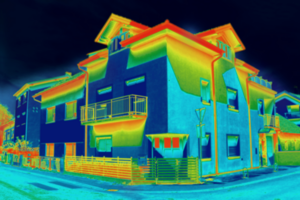
When a building isn’t performing as expected, the most obvious problem isn’t always the source. A rise in energy costs or recurring comfort complaints may prompt owners to focus on individual systems, even when the underlying issue extends beyond them. Without understanding how a building functions as a whole, even well-intentioned improvements can fall short of their intended results.
For building owners, the challenge is knowing where to invest before committing resources to another short-term fix. In this Q&A, Bowman building performance specialists Paul Kriescher and Jacob Goodman discuss how understanding the connections between building systems can lead to more informed decisions today and greater long-term value.
Q: Building owners may be dealing with comfort complaints, recurring maintenance issues and high utility bills at the same time. How are these challenges often connected?
Paul: Air leakage, inadequate insulation, heat gain or loss through windows and inefficient or poorly operating HVAC systems can all affect occupant comfort, increase maintenance demands and drive up energy costs. For example, deficiencies in the building envelope can force HVAC equipment to work harder to maintain comfortable temperatures, increasing energy consumption and placing additional strain on the system. As a result, owners may experience several recurring issues that stem from the same underlying conditions.
Q: What does looking at a building as an integrated system reveal that owners might miss when focusing on individual equipment or symptoms?
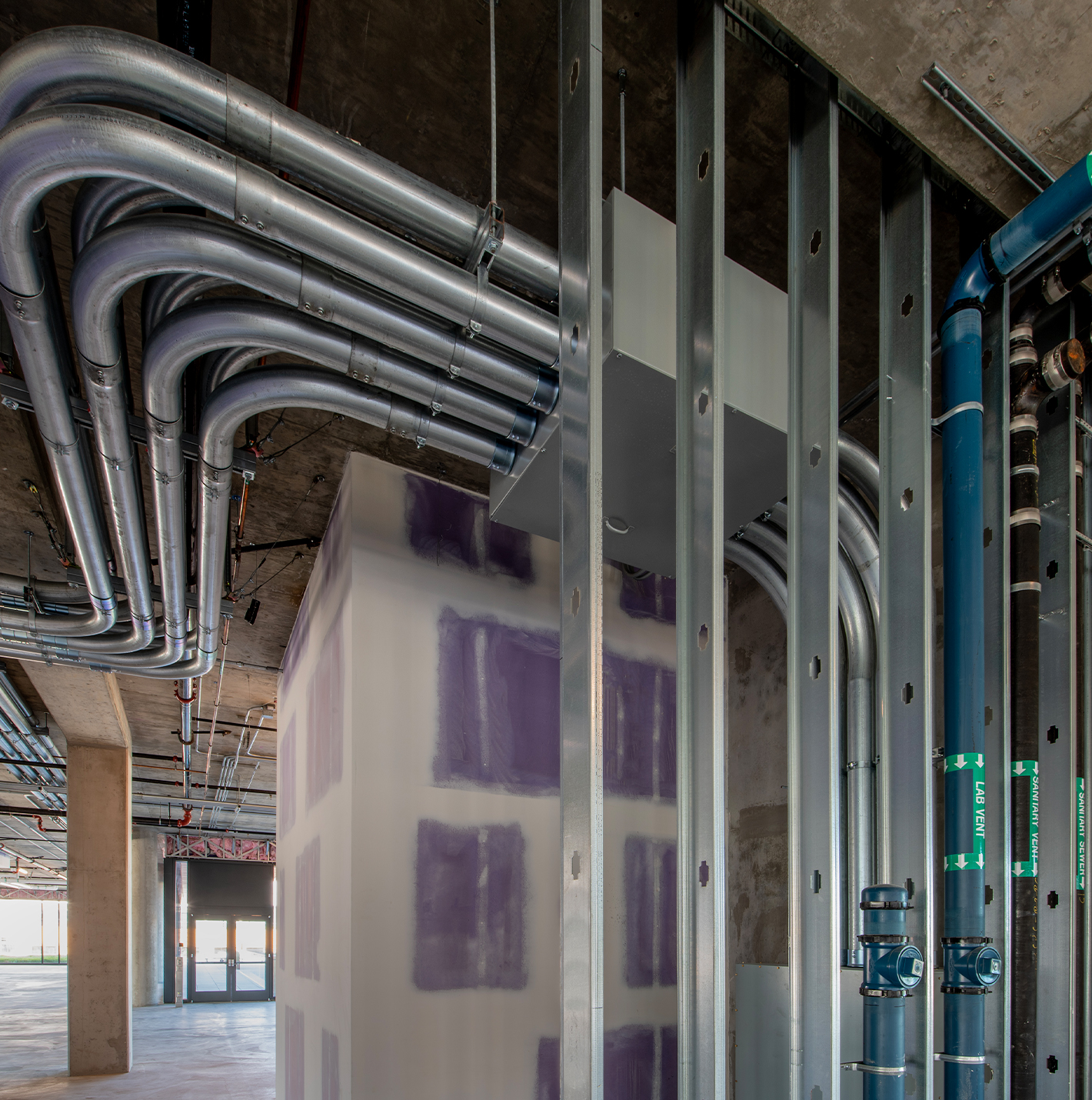
Paul: Buildings are made up of interconnected systems that continuously influence one another. Understanding how different building systems interact provides a more complete picture of what’s contributing to performance issues. Focusing on a single piece of equipment may reveal what isn’t working, but not necessarily why. Conditions elsewhere in the building can affect how that equipment operates, and changes to one component may affect the performance of others. Examining these relationships helps owners identify underlying causes, anticipate how proposed improvements may affect other systems and avoid unintended consequences.
Q: How should owners weigh the cost of performance upgrades against what they’ll spend operating and maintaining the building?
Jacob: Taking a long-term approach to building ownership means looking beyond immediate repairs and considering the building’s full life-cycle performance. Rather than responding to equipment failures or maintenance needs as they arise, developing a long-term improvement roadmap can help owners plan for future replacements, prioritize cost-effective upgrades and make decisions that align with their operational goals. This approach allows them to make more strategic use of capital budgets while benefiting from lower energy and maintenance costs over the life of the building.
Q: With codes and energy requirements changing, what should owners evaluate now?
Jacob: Preparing for the future starts with understanding how a building is performing today. Benchmarking a building’s energy use against comparable properties through ENERGY STAR Portfolio Manager provides a valuable starting point for identifying inefficiencies and tracking performance over time.
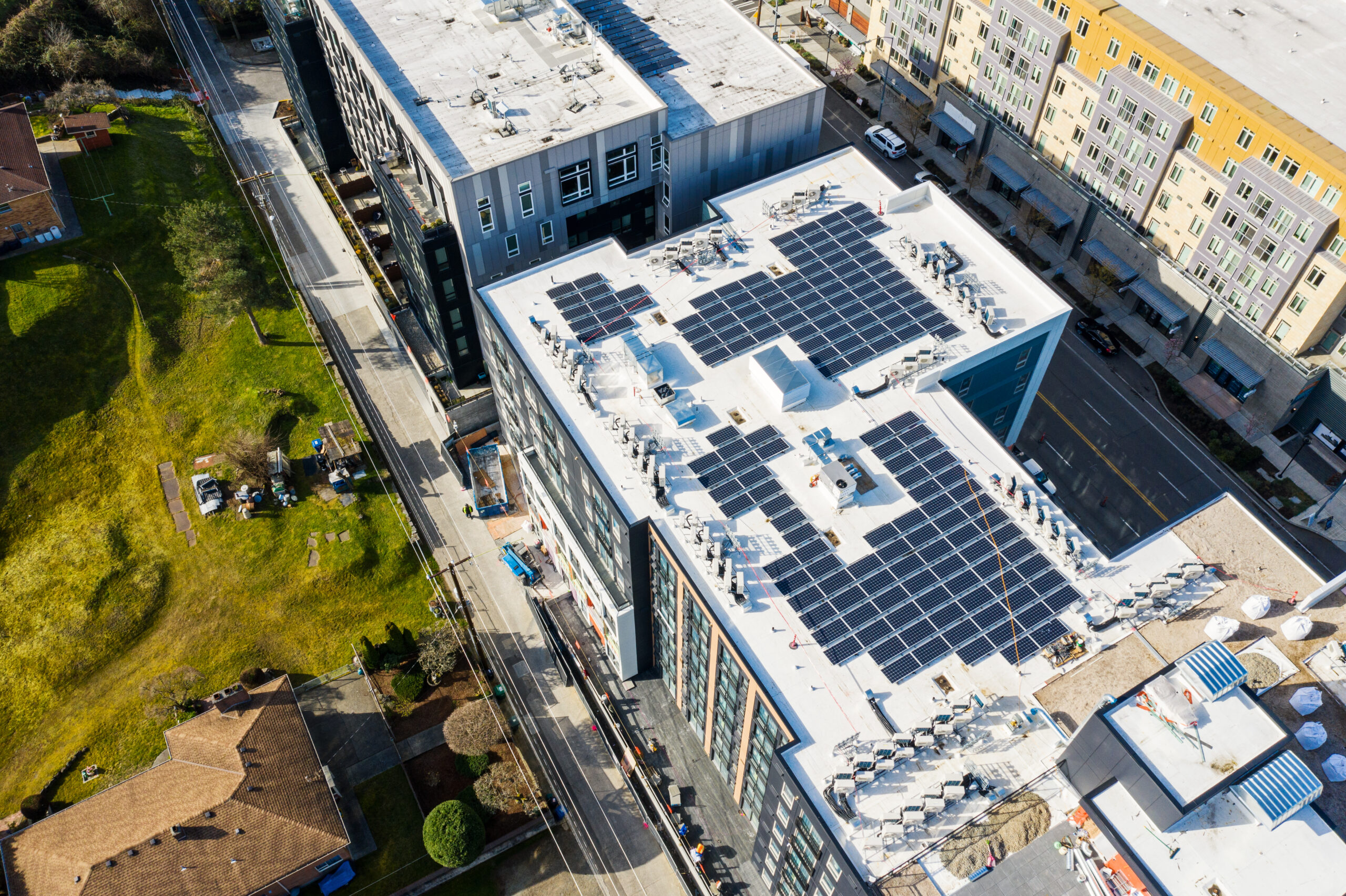
Owners should also evaluate opportunities to strategically electrify heating and hot water systems as building codes, ordinances and energy requirements evolve. Combining these improvements with on-site solar generation and, where appropriate, battery storage can help reduce reliance on utility-supplied electricity and strengthen resilience against rising energy costs or disruptions in service. Together, these measures can help owners adapt to changing energy demands while positioning their properties for greater long-term flexibility.
About the Experts

Paul Kriescher, RESNET, MS
Paul is a building science specialist with more than 30 years of experience evaluating how buildings perform in the real world. His expertise spans building enclosure consulting, air and water leakage testing, infrared thermography, commissioning support and building electrification, helping project teams, both during design and construction, deliver durable, energy-efficient buildings that perform as intended. At Bowman, Paul serves as ECG/HERS lead, directing building envelope and building science services while providing design reviews, field testing and commissioning support. He works closely with architects, engineers and contractors to optimize performance from design through construction.

Jacob Goodman, LEED AP, BEMP, ICC-ces
Jacob is an energy modeling and building performance specialist with more than 15 years of experience helping clients make informed decisions about energy use, code compliance and building electrification. His expertise includes energy modeling, energy auditing, utility incentive programs and sustainability consulting for new construction and existing buildings. As Bowman’s team lead for building performance, Jacob guides energy analyses, code compliance reviews and electrification studies that support projects from early planning through construction. He works with project teams to evaluate design options, maximize available incentives and develop practical strategies that improve energy efficiency and long-term building performance.