
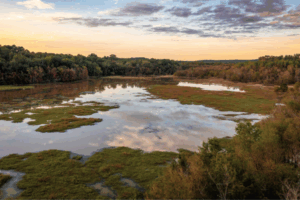
Wetlands are a critical part of the natural environment and an important consideration for many types of projects. Whether evaluating land for purchase, planning infrastructure improvements or preparing for development, understanding if wetlands are present is an essential early step. Identifying wetlands helps avoid regulatory challenges, supports environmental protection and allows projects to move forward with fewer surprises.
Bowman’s environmental consultants support clients by providing clear, defensible wetlands evaluations by qualified professionals that align project goals with regulatory requirements.
Why wetlands are important
Wetlands provide a wide range of environmental benefits that extend beyond individual sites. They help improve water quality by filtering pollutants, reduce flooding by absorbing stormwater and support plant and wildlife habitats. Wetlands also store carbon and contribute to long-term environmental resilience.
Because of these benefits, wetlands are regulated at the federal, state and local levels. Activities such as land disturbance, construction or infrastructure installation may be limited or require permits when wetlands are present. Understanding wetlands early helps project teams make informed decisions and reduce the risk of delays or noncompliance.
How to check for wetlands
Preliminary research
Early wetlands screening typically begins with desktop research to identify areas that may require further evaluation.
- Wetlands mapping tools: State and federal wetlands inventories provide an initial indication of known or potential wetlands.
- Aerial imagery and topographic data: Historic aerial mapping and elevation data can reveal drainage patterns, surface water and vegetation characteristics commonly associated with wetlands.
These tools provide valuable insight but do not replace field verification.
Field investigation and delineation
A site visit by qualified professionals is the most reliable way to determine whether wetlands are present.
- Wetland delineation: Environmental specialists evaluate soils, vegetation and hydrology to identify and map wetland boundaries in accordance with regulatory criteria.
- Documentation and mapping: Accurate mapping supports project planning, design coordination and permit applications.
Bowman’s environmental consultants conduct wetland and Waters of the U.S. delineations as part of broader natural resources surveys and assessments, ensuring findings are integrated into project workflows.
Permitting and compliance considerations
If wetlands are identified, certain activities may require permits or agency coordination. Requirements vary by jurisdiction and project scope and may influence site design or construction approaches.
Addressing wetlands early supports smoother permitting, clearer communication with regulators and stronger compliance documentation. Coordinated environmental planning helps reduce project risk while protecting sensitive resources.
Supporting informed decision-making
Checking for wetlands is a practical step that supports responsible planning and environmental stewardship. Early identification allows clients to understand site constraints, evaluate alternatives and move forward with confidence.
Bowman provides environmental consulting services that help clients assess wetlands, navigate regulatory requirements and develop solutions that balance environmental responsibility with project objectives.
Tags:EnvironmentalVermontWetlands
Share